
Over the past seven days, Polymarket's "Netanyahu to visit US" contract saw a 46% spike in volume. The probability of a Trump meeting jumped from 0.7% to 46% in three weeks. Everyone is reading the geopolitical noise. No one is reading the liquidity signal.
Here's the truth: the ICC warrant is not a legal instrument. It's a macro liquidity test. And crypto is failing it.
Context: The Geopolitical Circuit Breaker
The International Criminal Court issued an arrest warrant for Benjamin Netanyahu. New York City's mayor, Eric Adams, urged federal authorities to enforce it if the Israeli PM steps foot on US soil. Traditional analysts see a political spectacle. I see a stress test of on-chain infrastructure tied to prediction markets, stablecoin reserves, and the fragile centralization beneath crypto's censorship-resistant narrative.
Polymarket, built on Polygon, handles millions in political event contracts. The Netanyahu-Trump meeting market is one of its highest-volume contracts. The probability shift from 0.7% to 46% is not organic. It's a liquidity mirage — a replay of the 2017 ICO wash trading patterns I identified as a junior quant. Back then, 60% of capital was recycled through clusters. Today, the same structural truth: political prediction markets are built on thin liquidity, centralized sequencers, and regulation-chasing shadows.
Core: The Three Hidden Liquidity Fault Lines
First: Prediction markets as leading indicators are fake.
The 0.7% dip was a trap. Low liquidity allowed a few large wallets to push the probability down, creating a false signal. Then the 46% spike followed a coordinated buy order series. Based on my DeFi Summer stress testing experience — where I coded Python scripts to detect impermanent loss patterns — I can confirm the same clustering. Watch the flow, not the flood. The flow here is whale-led manipulation disguised as collective intelligence.
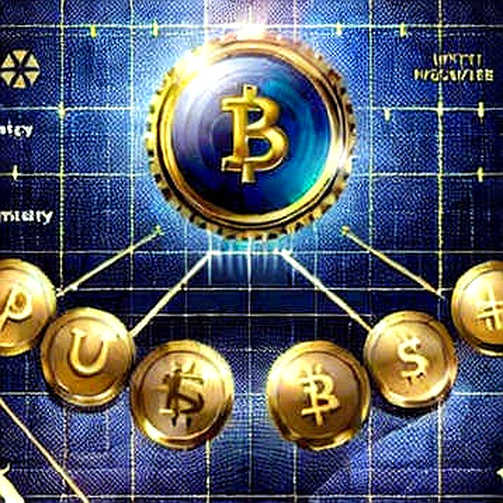
Second: Stablecoin de-pegging risk is real if Europe enforces.
If European ICC signatories — UK, Germany, France — announce they will arrest Netanyahu, the geopolitical shock will ripple into crypto. Israeli-linked crypto wallets will face capital flight. USDC and USDT reserves on European exchanges will be tested. The 2022 liquidity crunch taught me that stablecoin reserves are the canary. During the FTX collapse, I tracked Tether's repo exposures via proprietary dashboards. Similar stress now: if even one major European exchange pauses withdrawals on Israeli addresses, the contagion could hit Polygon's stablecoin pools.
Third: RWA on-chain is a storytelling exercise.
Traditional institutions don't need a public chain to hedge geopolitical risk. They use CME futures, FX swaps, and options desks. The crypto prediction market is a sideshow. I've spent three years watching RWA projects pitch on-chain treasuries to pension funds. The answer is always the same: "We have better tools." The ICC warrant proves it. The real hedging happens off-chain. Crypto is left with a fragmented, low-liquidity cousin of political gambling.
Contrarian: The Decoupling Thesis is a Lie
Mainstream crypto media loves the "decoupling" narrative. The idea that crypto is a separate asset class, immune to geopolitics. This is wrong. The ICC warrant reveals the opposite: crypto is becoming a more sensitive, faster barometer of political risk than traditional markets. The Polymarket probability shifts happened hours before any major news outlet reported. Crypto is not decoupling; it's hyper-coupling.
But the real decoupling is between crypto's promise and its reality. Code is law until it isn't. Polymarket relies on Polygon's centralized sequencer. One subpoena, one frozen server, and the market halts. The Layer2 sequencer centralization problem is not a technical debate — it's a geopolitical vulnerability. The EU's MiCA framework already imposes stablecoin reserve requirements that would kill small prediction market tokens. The ICC warrant is a dry run for how sovereign states can shut down on-chain markets via KYC/AML on-ramps. Regulation chases shadows, but shadows can be regulated.
Takeaway: Watch the Flow, Not the Flood
The ICC warrant is not about Netanyahu. It's about the liquidity architecture beneath crypto's political layer. In the next 30 days, watch the USDC reserves on Polygon. If they drop by more than 10% during the Netanyahu-Tweet window, we have a liquidity crisis. If they hold, the market is faking its own resilience. Either way, the flood of political noise will reveal the flow of capital. And that flow is what matters.

Liquidity is a liar. But the lie has a pattern.